Manufacturer of Isolators / Stockiest of Over Head Line Materials / Govt Contractors.
Electric power systems rely on a well-structured network of substations that transform and distribute electricity safely and efficiently from generation plants to end users. Understanding the difference between transmission substations and distribution substations is crucial for power engineers, planners, and decision-makers — especially when selecting critical equipment like isolators for reliable operation.
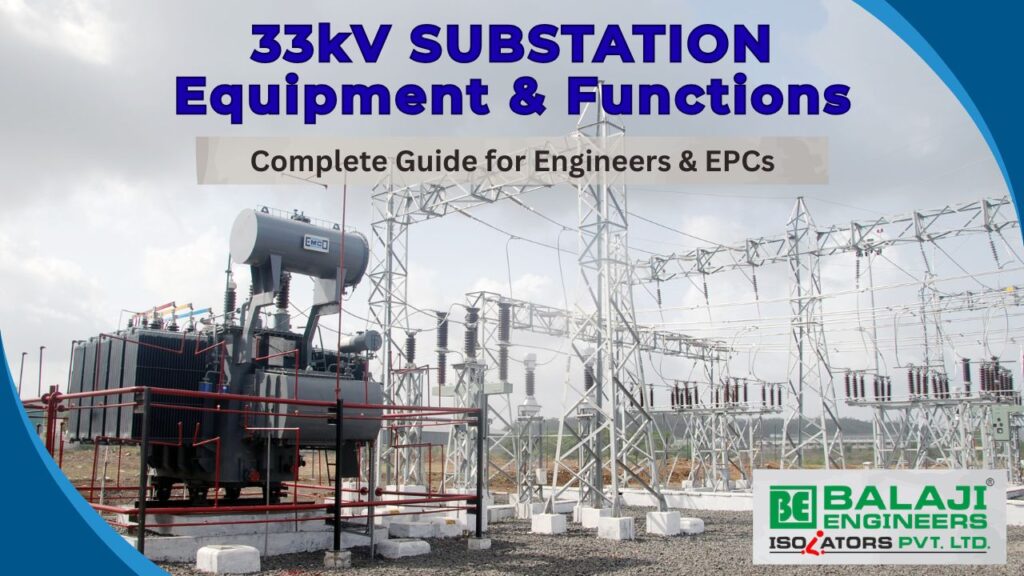
A substation is a key part of the electrical grid that adjusts voltage levels and manages the flow of electricity between generation, transmission, and distribution networks. Substations contain transformers, switches, circuit breakers, protective devices, and isolators that enable safe operation and maintenance.
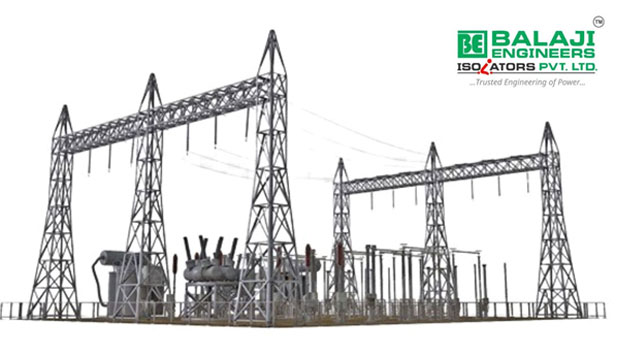
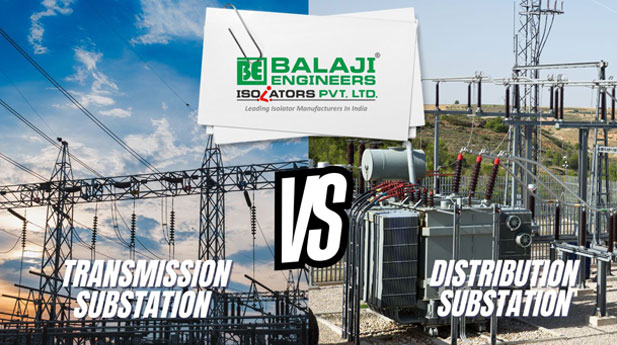
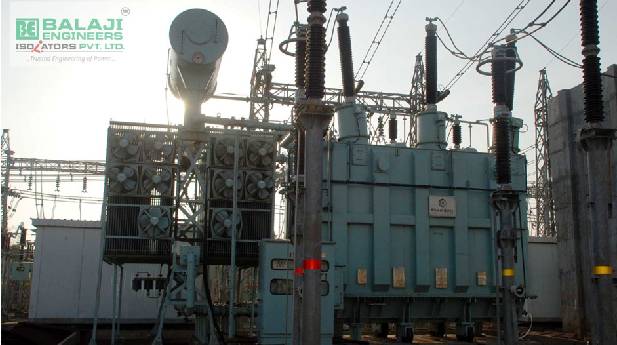
A Transmission Substation is designed for high-voltage power transfer over long distances, usually operating at voltages 66 kV and above. These substations are essential for linking power generation sources (like power plants or renewable energy farms) with regional or national grids.
In transmission substations, isolators such as 132 kV High Voltage Isolators and 220 kV Outdoor Isolators play a vital role in safely disconnecting circuits during maintenance or emergency operations.
132 kV High Voltage Isolator — ideal for EHV grids.
220 kV Outdoor Isolator — engineered for heavy-duty isolation in major transmission yards.
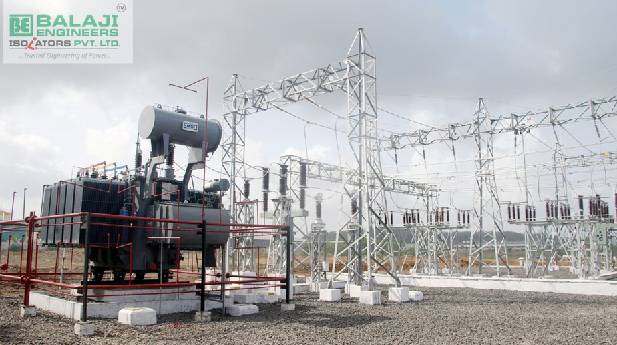
A Distribution Substation takes high-voltage electricity from the transmission system and steps it down to safer voltage levels for local use. These substations are typically closer to towns, cities, and industrial clusters.
In distribution substations, products like 22 kV High Voltage Isolators, 33 kV Isolators, and 11 kV Isolators with Earth Blade are essential for sectionalizing circuits safely while supplying power locally.
22 kV High Voltage Outdoor Isolator — perfect for distribution applications.
33 kV Substation Isolator — robust solution for medium-voltage sites.
11 kV Isolator with Earth Blade — ideal for local distribution and rural electrification.
Transmission vs Distribution Substation – Quick Comparison
| Feature | Transmission Substation | Distribution Substation |
|---|---|---|
| Voltage Levels | ≥ 66 kV (up to 220 kV+) | 11–33 kV (Medium / Low) |
| Function | Bulk transfer of power | Step-down & delivery to consumers |
| Size & Complexity | Larger, complex | Smaller, simpler |
| Key Equipments | EHV isolators, breakers | MV isolators, transformers |
Isolators are manually operated disconnect switches that ensure a portion of the power system is safely de-energized for maintenance or emergency isolation. Their performance directly affects reliability and safety in both transmission and distribution substations.
Balaji Engineers Isolators are
Watch & Learn: Substation Isolator Applications
🔗 Watch video on Balaji Engineers 132 kV Isolators — 132 kV Isolator Video on YouTube
Visit Video - https://www.youtube.com/@balajiengineers
transmission substation vs distribution substation, isolators in substations, high voltage isolators, Balaji Engineers Isolators, substation equipment, IEC 62271 isolators
difference between transmission and distribution substation
transmission substation vs distribution substation
transmission and distribution substation difference
what is transmission substation
what is distribution substation
power substation types
substation in power system
isolator used in substation
electrical isolator in transmission substation
isolator in distribution substation
high voltage isolator manufacturer
outdoor isolator for substation
isolator with earth switch
center rotating isolator
double break isolator
isolator as per IEC 62271-102
Understanding the difference between transmission and distribution substations helps industry professionals design, specify, and implement power systems more effectively. With the right isolator solutions from Balaji Engineers, you ensure safety, compliance, and long-term reliability for both high-voltage transmission yards and medium-voltage distribution networks.
The main difference lies in voltage level and function. A transmission substation handles high or extra-high voltage (66 kV to 220 kV and above) and transfers bulk power over long distances. A distribution substation operates at lower voltages (11 kV, 22 kV, 33 kV) and supplies electricity to local consumers such as residential, commercial, and industrial users.
Isolators are critical safety devices used to completely disconnect electrical circuits during maintenance or fault conditions. They ensure visible isolation, protecting both equipment and operating personnel. Balaji Engineers manufactures isolators suitable for both transmission and distribution substations, ensuring high mechanical strength and precise contact alignment.
Transmission substations typically use:
66 kV isolators
110 kV isolators
132 kV isolators
220 kV isolators
Balaji Engineers Isolators are designed as double break / center rotating types and comply with IEC 62271-102, making them ideal for high-voltage transmission yards.
Distribution substations use medium-voltage isolators such as:
11 kV isolator with earth blade
22 kV outdoor isolator
33 kV substation isolator
An earth switch (earthing blade) safely discharges trapped or induced voltage after isolation. It is especially important in distribution substations, where maintenance is frequent. Balaji Engineers isolators can be supplied with integrated or separate earth switches as per client and utility requirements.
Yes. Transmission substations are generally larger, more complex, and spread over wider areas due to high-voltage equipment and safety clearances. Distribution substations are smaller, compact, and located closer to load centers like cities and industrial zones.
High-quality isolators are designed as per:
IEC 62271-102
Utility-specific technical specifications (State & Central Utilities)
Balaji Engineers Isolators are type-tested and routine-tested to meet Indian and international grid requirements.
No. Isolators are voltage-specific and application-specific. Transmission substations require EHV isolators with higher insulation and mechanical strength, while distribution substations use MV isolators designed for compact installations. Balaji Engineers offers a complete voltage range from 11 kV to 220 kV.
Balaji Engineers isolators are widely used in:
Transmission substations
Distribution substations
Solar & wind power substations
Hydropower projects
HT consumer installations
RDSS and government utility projects
Balaji Engineers Isolators are preferred because of:
✔ Accurate fixed and moving contact alignment
✔ High copper current-carrying capacity
✔ Robust mechanical design for long service life
✔ Wide voltage range (11 kV–220 kV)
✔ Proven performance in Indian and export markets