Manufacturer of Isolators / Stockiest of Over Head Line Materials / Govt Contractors.

Selecting the right 33kV isolator for a solar substation is a critical engineering decision. A wrong selection can lead to overheating, flashover, frequent maintenance, or even complete shutdown of the solar plant. This guide explains the key technical parameters, standards, and practical site considerations engineers should evaluate before finalizing a 33kV isolator.
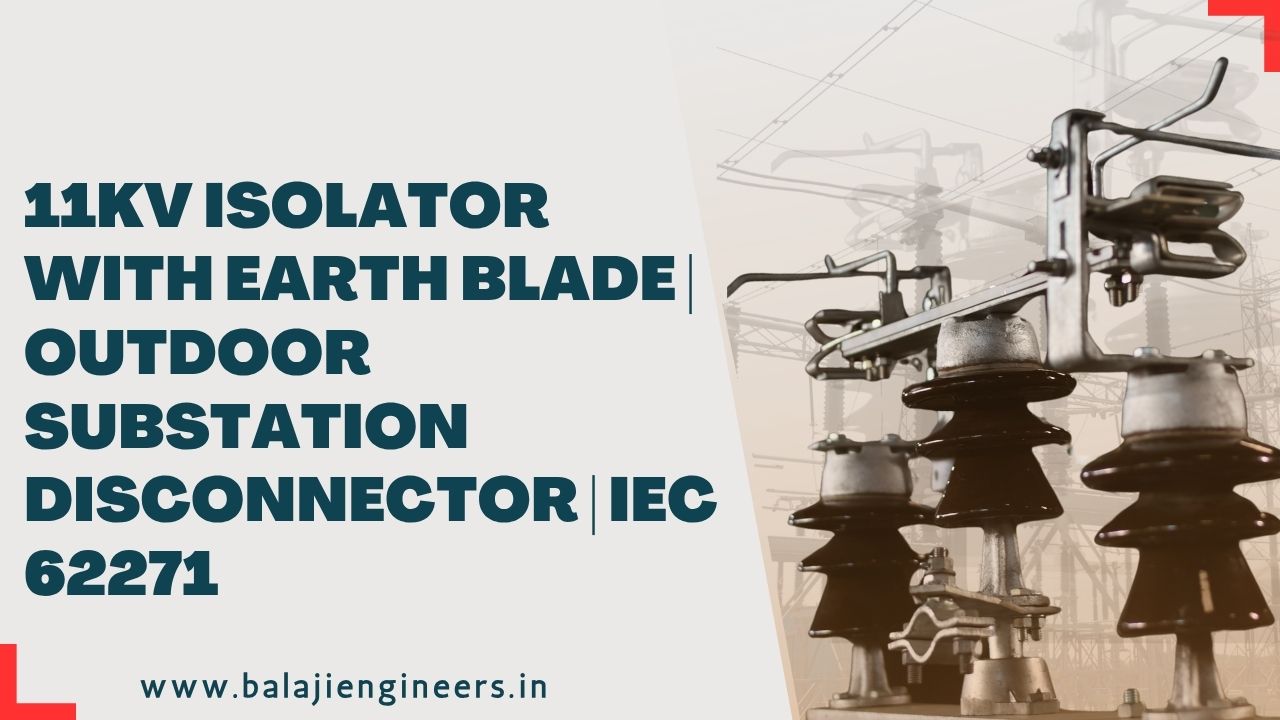
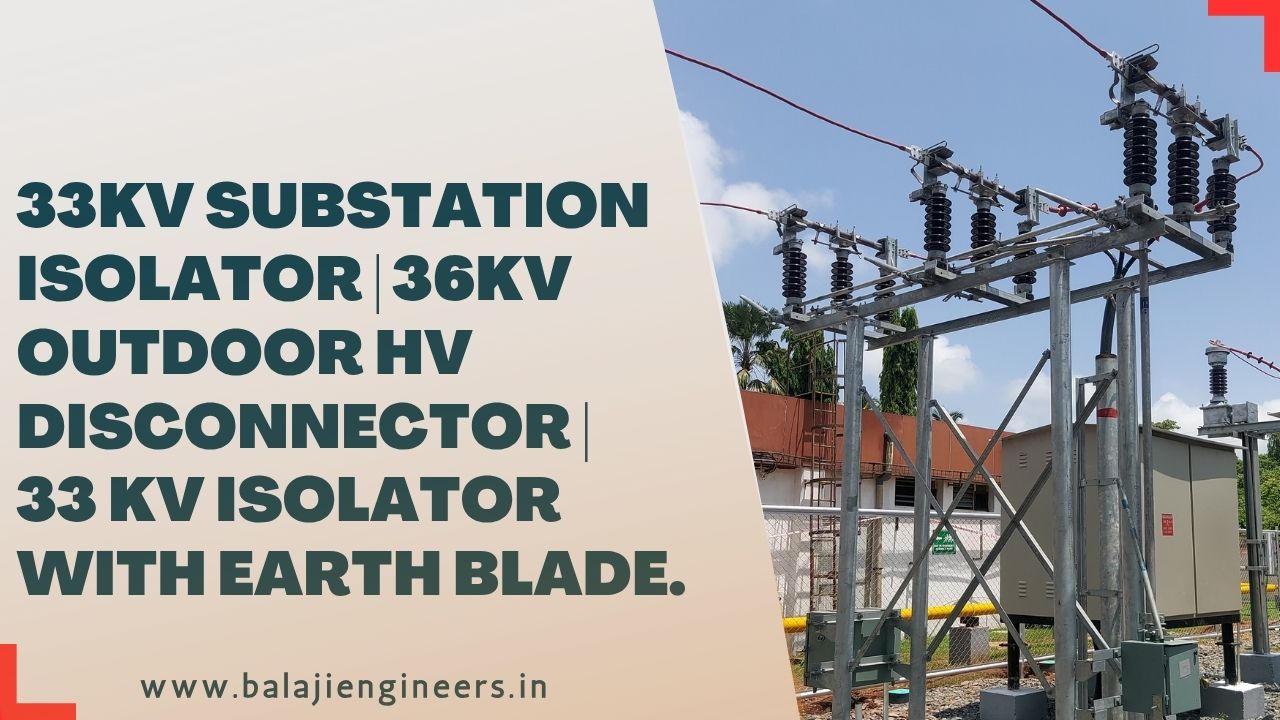
A 33kV isolator (disconnector) is a mechanical switching device used to isolate electrical equipment during maintenance. In solar substations, isolators are typically installed:
Poor alignment can lead to:
• On 33kV feeder lines
• Between inverter transformer and switchyard
• Near circuit breakers for visible isolation
⚠️ Important: Isolators are operated only under no-load conditions.
1. Rated Voltage and System Voltage
| Parameter | Requirement |
|---|---|
| Nominal System Voltage | 33 kV |
| Highest System Voltage | 36 kV |

Always ensure the isolator is rated for 36kV as per IEC/IS standards.
The rated current depends on feeder capacity and future expansion.
| Common Ratings | Application |
|---|---|
| 400 A | Small to medium solar plants |
| 630 A | Standard utility requirement |
| 800 A | High-capacity feeders |
| 1250 A | |
| 1600 A |
👉 Tip: Many utilities prefer 630A for margin and standardization.

Solar substations are often located in:
• Dusty areas
• Semi-desert regions
• High pollution zones
| Pollution Level | Recommended Creepage Distance |
|---|---|
| Medium | ≥ 25 mm/kV |
| Heavy | ≥ 31 mm/kV |
For most Indian solar projects, 31 mm/kV creepage distance with polymer insulators is strongly recommended.
| Parameter | Polymer Insulator | Porcelain Insulator |
|---|---|---|
| Weight | Light | Heavy |
| Pollution Performance | Excellent | Moderate |
| Maintenance | Low | Higher |
| Breakage Risk | Very Low | Higher |
✅Preferred Choice for Solar: Polymer insulators
Common isolator types used in 33kV solar substations:
• Vertical Break Isolator – Most commonly used
• Centre Break Isolator – Used in Distribution and Transmission Substation .
👉 Double break isolators are preferred due to compact design and easy maintenance.
| Configuration | Recommendation |
|---|---|
| With Earthing Switch | For grid & utility substations |
| Without Earthing Switch | EPC-defined solar projects |
Confirm whether:
• Earthing switch is required
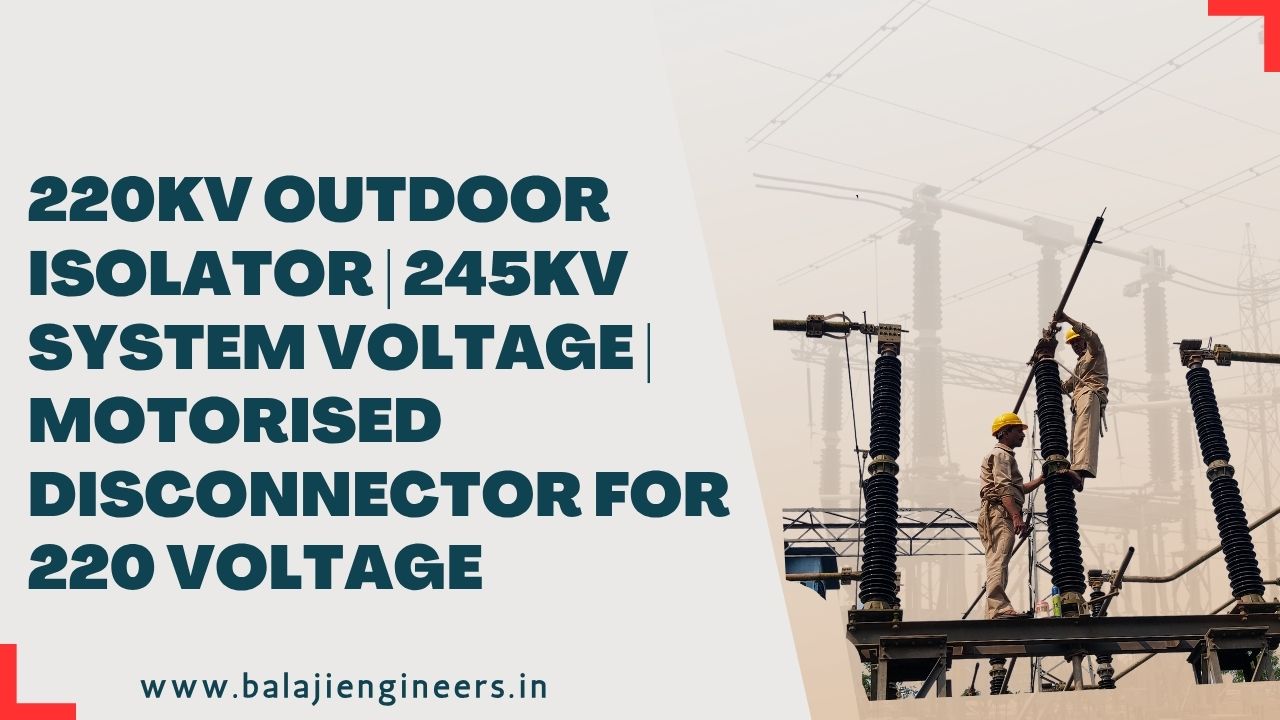
• Manual or motorized operation is needed
| Operation Type | Usage |
|---|---|
| Manual | Small substations |
| Motorized | SCADA-controlled solar plants |
Motorized isolators must comply with:
• Remote operation requirements
• Local/remote selector switch
• Interlocking logic

Before final selection, verify:
✅ Ambient temperature (up to 50°C)
✅ Wind speed
✅Seismic zone
✅ Altitude (above 1000 m requires correction)
✅ Corrosion risk (coastal / industrial area)
| Parameter | Typical Value |
|---|---|
| Rated Voltage | 36 kV |
| Rated Current | 400A / 630A / 800A /1250 A / 1600 A |
| Insulator | Polymer |
| Creepage Distance | 31 mm/kV |
| Standard | IEC 62271-102 |
| Operation | Manual / Motorized |
Based on field experience in Indian solar substations, the recommended configuration delivers high reliability with minimal maintenance over the plant life.
For most Indian solar substations, the ideal selection is:
A technically correct isolator ensures long life, minimal maintenance, and high plant availability.
For most Indian solar projects located in dusty or high-pollution areas, 31 mm/kV creepage distance using polymer insulators is recommended.
400A may be sufficient for small plants, but 800A is preferred to accommodate future expansion and reduce thermal stress.
Yes. Polymer insulators offer superior pollution performance, lower weight, and reduced maintenance compared to porcelain.
It depends on utility and EPC requirements. Grid-connected substations typically require an earthing switch, while some EPC solar projects may not.
The isolator should comply with IEC 62271-102 and applicable IS standards, along with utility-specific technical specifications.
People Also Search For
Balaji Engineers Isolators Private Limited manufactures isolator disconnectors for solar, wind, and grid substations, designed to meet Indian utility and EPC requirements. Products are engineered for high pollution zones, harsh outdoor conditions, and long service life.