Polymer vs Porcelain Isolator – Which is Better for 33kV Substation, Solar & Wind Projects?
When selecting a 33kV isolator for substation, solar power plant, or wind energy project, one of the most common questions is:
Should you choose a Polymer isolator or a Porcelain isolator?
This guide explains the difference between polymer and porcelain isolators, helping EPC contractors, consultants, and electrical buyers make the right decision.
What is a 33kV Isolator?
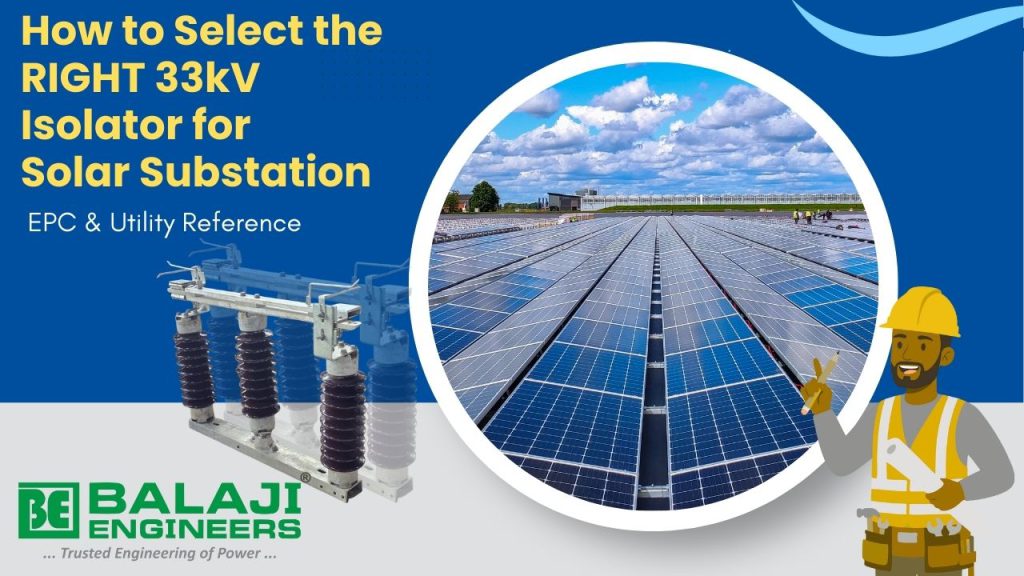
A 33kV isolator (disconnect switch) is a critical substation equipment used for safe isolation of electrical circuits during maintenance.
It ensures visible disconnection and is widely used in:
- Substation projects
- Solar power plants
- Wind energy installations
- Industrial HT systems
- H T Industrial Consumers
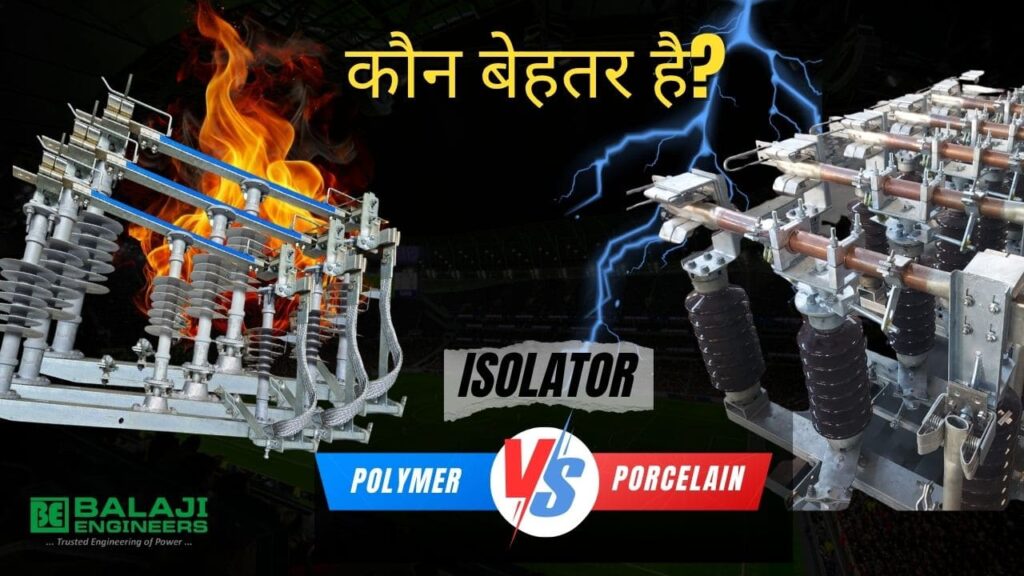
Polymer vs Porcelain Isolator – Key Comparison
Weight & Installation
Polymer Isolator : Lightweight, easy to transport and install
Porcelain Isolator : Heavy, requires careful handling and more manpower
Performance in Pollution
Polymer : Best performance in dust, coastal, and polluted environments
Porcelain : Higher risk of leakage and flashover in heavy pollution
Mechanical Strength
Porcelain : Rigid and traditionally strong
Polymer : Flexible and reliable with modern design improvements
Maintenance
Polymer : Low maintenance
Porcelain : Requires periodic cleaning
Which Isolator is Best for Your Application?
Choose Polymer Isolator for :
- Solar power projects
- Wind farms
- Coastal or high pollution areas
- EPC fast-track installations
- Industrial plants
Choose Porcelain Isolator for:
- Standard substation environments
- Low pollution areas
- Traditional infrastructure setups
- MSEDCL Substation
- Utility substation
- Hydro power Station
Why Polymer Isolators are Gaining Global Demand?
Across India, Middle East, Africa, and global markets, polymer isolators are becoming preferred due to :
- Lightweight design
- Better pollution resistance
- Lower maintenance cost
- Easy installation
Balaji Engineers is trusted name in Export market . Being a Indian Exporters in Isolator Disconnectors , our Isolator switches are confirms IEC 62271-102 with high quality construction with porcelain and polymer Isolator Disconnector switch. Balaji Engineers Isolators are already exported to Nigeria, Ghana, Benin, Senegal, Kenya, Tanzania, Ethiopia, South Africa, Mozambique, Egypt, Algeria, Morocco, Togo, Sudan, Mauritius
Important Standards to Consider
Ensure your isolator complies with:
IEC 62271-102 standard for high-voltage disconnectors
Also check :
- Short circuit rating upto 25 kA for 3 Sec
- Mechanical endurance
- Insulation performance
Watch Quick Video Explanation
About Balaji Engineers Isolators Pvt. Ltd.
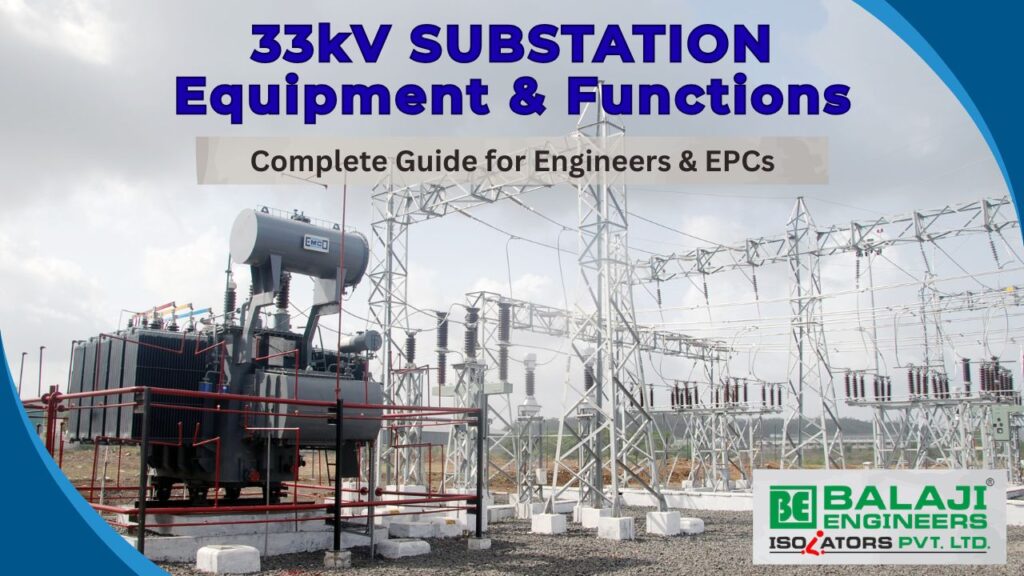
Balaji Engineers is a leading manufacturer and exporter of 11kV to 220kV Isolator Disconnectors, supplying to:
- Substation projects
- Solar & wind EPC companies
- Utility and industrial clients
- MSEDCL Substation
- MSETCL Substation
- Industrial H T Consumer
- Private Industry
- Solar Substation
We offer:
- 11kV ,33kV, 66kV, 132kV, 220kV isolators
- Polymer & Porcelain options
- Double Break / Centre Break / Pantograph types
Services of Isolators :
11kV to 400 kV Isolators
People also search for
- 33kV isolator manufacturer India
- polymer vs porcelain isolator
- outdoor isolator 33kV
- isolator for solar project
- substation isolator supplier
- High voltage isolator exporter
- Isolator for wind farm
- Isolator for data canter
- Top Isolator manufacturers in India
- Best Isolator Disconnector manufacturers
People Also Ask
What is the difference between polymer and porcelain isolator?
Polymer isolators are lightweight, flexible, and perform better in polluted environments.
Porcelain isolators are heavier, rigid, and traditionally used in standard substation conditions.
Which isolator is better for 33kV substation – polymer or porcelain?
For modern 33kV substations, polymer isolators are generally preferred due to low maintenance and better performance.
However, porcelain isolators are still used in conventional and low-pollution environments.
Why are polymer isolators preferred in solar and wind projects?
Polymer isolators are ideal for solar and wind projects because they are lightweight and easy to install in remote locations.
They also perform well in dust, humidity, and harsh outdoor conditions.
Do polymer isolators require less maintenance than porcelain?
Yes, polymer isolators require less maintenance as they resist dust accumulation and contamination.
Porcelain isolators often need regular cleaning, especially in polluted areas.
Which isolator performs better in polluted or coastal areas?
Polymer isolators perform better in coastal and polluted environments due to their hydrophobic properties.
Porcelain isolators may face leakage or flashover issues in such conditions.
Get Expert Support
Choosing the right isolator is critical for performance and safety.
Contact us for technical guidance and best quotation.
www.balajiengineers.in
+91 9822373222