Polymer Type Isolator Disconnectors
In this Electrical informative blog, we will dive into what makes polymer isolator disconnectors so unique, their advantages, and why they are becoming a standard in modern electrical systems.
What is an Isolator Disconnector?
Why Polymer Isolator ?
Historically, electrical isolators have been made from materials like porcelain or glass due to their insulation properties. However, the use of polymer-based materials has been growing rapidly. These polymers are specially engineered to be lightweight yet durable, making them ideal for electrical applications. Easy to Installation on Isolator mounting structure. Less efforts while alignment of Isolator in substation .
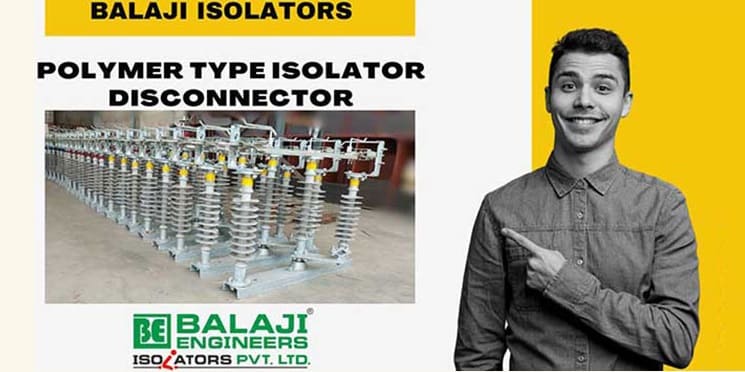
33kv 800 Amp Isolator disconnector Make- Balaji Isolator
Polymers used in isolators are typically composite materials, designed to withstand extreme weather conditions, pollution, and mechanical stress. Their composition includes a combination of glass-reinforced epoxy resin and silicon-based rubber, which offer excellent insulation and resistance to degradation.
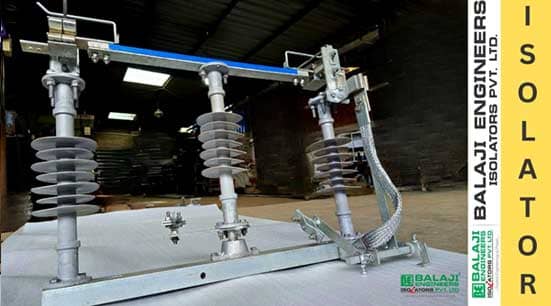
Key Benefits of Polymer Type Isolator Disconnectors
1. Lightweight and Easy to Install : One of the most notable advantages of polymer isolators is their lightweight nature compared to porcelain-based disconnectors. This makes installation simpler and quicker, reducing labor costs and time spent on-site.
2. Superior Weather Resistance : Traditional porcelain insulators can crack under extreme weather conditions like freezing temperatures or high winds. Polymer isolators, on the other hand, are highly resistant to temperature fluctuations, UV radiation, and moisture. This makes them ideal for use in harsh environments, from deserts to rainforests.
3. Enhanced Durability and Longevity : Polymer isolators are less prone to breakage and offer a longer operational life than porcelain. Their flexible material can better withstand the mechanical stresses caused by vibrations, wind, and seismic activity.
4. Higher Resistance to Pollution: In areas with heavy pollution, such as industrial zones or near coastal regions, polymer insulators perform better than porcelain. They resist pollution-related flashovers and degradation, ensuring more reliable power transmission in tough environments.
5. Cost-Effective : While the initial cost of polymer isolators may be comparable to or slightly higher than traditional materials, the reduced maintenance and extended service life make them a more cost-effective solution in the long run. Their lightweight design also reduces transportation and installation costs.
6. Improved Safety : Polymer isolator disconnectors offer excellent safety features due to their robust design and superior insulating properties. Their resistance to tracking and erosion minimizes the risk of electrical arcing, making them safer for use in high-voltage applications.
7. Breakages : Insulators of porcelain are possibility are more of breakages than polymer , which directly effect on cost of project.
Applications of Polymer Type Isolator Disconnectors
Polymer isolator disconnectors are widely used in various sectors, including:
Transmission and Distribution Systems: Ensuring safe isolation of circuits during maintenance in high-voltage transmission lines.
Substations : Protecting transformers and other essential equipment by providing reliable circuit isolation.
Renewable Energy : Used in solar farms and wind energy systems, where reliability and weather resistance are key.
Railway Electrification : Ensuring smooth operation of electrified railways by providing stable and reliable electrical isolation.
Industry substation : Industrial Substation Isolators.
Find our Product and services in
- 11kv 400 Amp Polymer Isolator Disconnector
- 11kv 800 Amp Polymer Isolator Disconnector
- 22kv 800 Amp Polymer Isolator Disconnector
- 33kv 800 Amp Polymer Isolator Disconnector
- 33kv 1250 Amp Polymer Isolator Disconnector
- 33kv 2000 Amp Polymer Isolator Disconnector
- 33kv 3000 Amp Polymer Isolator Disconnector
- 66kv 800 Amp Polymer Isolator Disconnector
- 66kv 1250 Amp Polymer Isolator Disconnector
We can provide or Polymer Isolators in
Frequently Asked Questions on Polymer Isolator
1. What is a Polymer Isolator?
A polymer isolator is an electrical insulating device made from composite polymer materials. Manufacturers like Balaji Engineers Isolators Private Limited produce high-quality polymer isolators used in power transmission and distribution to prevent electrical conduction.
2. How Do Polymer Isolators Work?
Polymer isolators work by creating a non-conductive barrier that insulates electrical components. Balaji Isolators are engineered to prevent current leakage and ensure safe, reliable electrical system operation.
3. What Are the Advantages of Polymer Isolators Compared to Porcelain or Glass Isolators?
Polymer isolators, such as those manufactured by Balaji Engineers, are lighter, more impact-resistant, and offer superior durability in polluted environments compared to traditional porcelain or glass isolators.
4. What Are the Common Applications of Polymer Isolators?
Balaji Isolators are widely used in high-voltage power lines, substations, and electrical switchgear to provide insulation and improve power transmission efficiency.
5. What Are the Different Types of Polymer Isolators?
Manufacturers like Balaji Engineers offer various types of polymer isolators, including pin-type, post-type, and suspension isolators, designed for different voltage requirements and installation needs.
6. How Long Do Polymer Isolators Last?
With quality manufacturing, such as from Balaji Engineers, polymer isolators can last 25 to 40 years, depending on environmental factors and maintenance routines.
7. What Are the Standards and Certifications for Polymer Isolators?
Balaji Engineers Isolators Private Limited ensures that their products meet international standards like IEC and ANSI, guaranteeing the reliability and safety of their polymer isolators.
8. Can Polymer Isolators Be Used in Extreme Weather Conditions?
Yes, Balaji Isolators are designed to withstand extreme conditions like UV exposure, rain, high temperatures, and humidity, making them ideal for harsh environments.
9. What Is the Typical Cost of Polymer Isolators?
The cost of polymer isolators, including those from Balaji Engineers, varies by size and rating, but they are known for offering excellent value due to their long lifespan and minimal maintenance requirements.
10. How Are Polymer Isolators Maintained?
Polymer isolators, such as those from Balaji Engineers, require minimal maintenance, with periodic inspections to check for cracks, dirt, or surface damage being sufficient.
11. How Do I Choose the Right Polymer Isolator for My Application?
When selecting polymer isolators, Balaji Engineers can provide expert guidance on factors such as voltage rating, mechanical strength, and environmental conditions to ensure you choose the right product for your needs.
12. What Are the Typical Failures or Issues with Polymer Isolators?
Typical issues include surface contamination or cracking over time. Balaji Engineers uses high-quality materials to minimize such risks and extend the lifespan of their polymer isolators.
13. How Do Polymer Isolators Improve Electrical System Safety?
Balaji Isolators are designed to enhance safety by offering excellent insulation properties, reducing the risk of electrical conduction, and preventing system failures.
14. What is the price of 33kv 800 Amp Polymer Isolator?
Price of 33kV 800 Amp Isolator is 59800 /- Taxes extra
15. Cost of 33kv 800 Amp Polymer Isolator with earth blade ?
Cost of 33kV 800 Amp Isolator with earth blade is 69800 /- Taxes extra
16. Top Polymer Isolator manufacturer in India ?
“Balaji Isolator” brand of Balaji Engineers Isolators Private Limited , Located MIDC ,Kolhapur ,Maharashtra are Top Isolator manufactures in India.
17. Best quality Isolator manufacturer in India ?
“Balaji Isolator” brand of Balaji Engineers Isolators Private Limited , Located MIDC ,Kolhapur ,Maharashtra are Best Isolator manufactures in India.